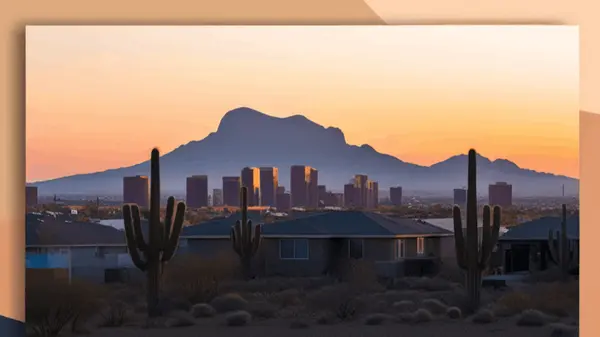
Your Guide to Monsoon-Proofing Your Arizona Home (Summer 2026)
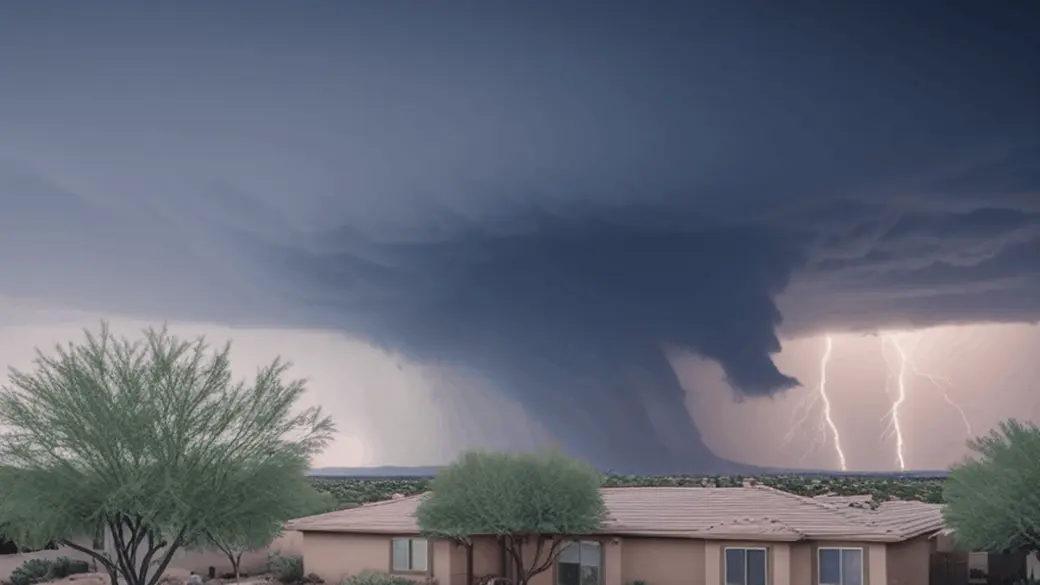
Summer in the Valley isn't just triple-digit afternoons and lazy pool days — it's monsoon season, the stretch when towering thunderheads, dust storms, and sudden downpours roll across the desert. As someone who spends countless hours helping clients settle into homes all over the Phoenix metro, I've learned that a little preparation now saves a lot of stress (and money) later. Whether you're a longtime resident, new to the desert, or thinking about making Arizona home, here's a local's guide to getting your house monsoon-ready before the next storm rolls in.
⛈️ First, Know What You're Up Against
Arizona's monsoon runs on a predictable calendar, and knowing the rhythm helps you prep at the right time.
- The season window: Arizona's monsoon officially runs June 15 through September 30, with the most active storms typically arriving from late June onward.
- Peak intensity: Storms tend to peak between mid-July and mid-August, so early summer is your window to get ahead of the work.
- The 2026 outlook: Forecasters are leaning toward a slightly wetter-than-normal and hotter-than-normal season for the Valley, with a meaningful chance the back half of the season is especially active. Pro Tip: Don't wait for the first big storm — by then the good roofers and HVAC techs are booked out.
- The big three hazards: Microbursts (straight-line winds over 40 mph), haboobs (dust storms that drop visibility to near zero), and flash floods.
🏠 Start at the Top: Your Roof
Your roof takes the brunt of every storm, and small issues become expensive leaks once the rain arrives.
- Schedule a roof inspection: Have a licensed roofer check for loose or cracked tiles, worn flashing, and failing seals before the season ramps up. Pro Tip: Catching a small problem in June is far cheaper than a ceiling repair in August.
- Clear roof drains, scuppers, and gutters: Clogged drainage lets water back up under tiles and seep into fascia and interior ceilings. The City of Phoenix recommends clearing roof drains so water doesn't pool.
- Check every roof penetration: Skylights, chimneys, vents, satellite mounts, and rooftop AC stands are the most common leak points — look for cracked caulking and worn rubber boots.
- Watch flat roofs closely: Flat and low-slope roofs drain slowly, so pooled water can blister membranes and work into the seams. Pro Tip: If you have a flat roof, make an inspection an annual pre-monsoon ritual.
💧 Manage Water and Guard Against Flooding
Desert soil sheds water fast, which is exactly why flash flooding catches so many homeowners off guard.
- Direct water away from your foundation: Make sure downspouts carry rain at least two to three feet from the house, and keep low spots and drywells clear.
- Keep foundation soil consistent: A drip line about 12 inches from the foundation keeps soil from drying out and shifting during the wet-dry swings of summer.
- Consider self-activating flood barriers: Phoenix encourages residents to explore reusable barriers that activate on contact with water and store easily the rest of the year.
- Move valuables up before storms: When a strong storm is forecast, bring in outdoor items and lift anything important off garage floors. Pro Tip: Never drive through a flooded wash or street — six inches of moving water can sweep a car off the road.
❄️ Protect Your AC and Electronics
Monsoon storms are hard on the systems you rely on most in a Phoenix summer.
- Book an HVAC tune-up: A technician can clean the coils, clear the drain lines, and replace filters clogged with monsoon dust so your system keeps up through the hottest, most humid stretch.
- Install surge protection: Lightning and power flickers cause voltage spikes that fry AC control boards and appliances. A whole-home surge protector at the panel stops spikes before they reach your wiring. Pro Tip: This one upgrade can save you a very expensive AC repair mid-summer.
- Unplug sensitive electronics: When a storm rolls in, unplug computers, TVs, and other electronics you can't easily replace.
🌳 Tame Trees and Secure Your Yard
Wind is the sneaky monsoon threat — a single microburst can turn loose objects and overgrown branches into projectiles.
- Trim trees back from the roofline: Branches within about six feet of the roof can be whipped into tiles by strong winds. Prune large limbs before the 40-plus-mph gusts arrive.
- Secure or store loose items: Patio furniture, umbrellas, planters, trampolines, and décor should be anchored or brought inside ahead of storms.
- Protect pool equipment: Insulate exposed pool piping and keep the pump area clear of debris. Pro Tip: Toss patio cushions and light furniture in the garage the moment you see a dust wall on the horizon.
🧰 Build Your Monsoon-Ready Kit
When the power blinks out or a road washes over, a little readiness goes a long way.
- Assemble an emergency kit: Stock water, flashlights, fresh batteries, phone chargers, and a small first-aid kit somewhere easy to reach.
- Plan for outages: Know where your flashlights and any backup power are, and keep devices charged when storms are forecast.
- Review your insurance: Confirm your homeowners policy covers wind and water damage, and keep key documents somewhere safe. Pro Tip: A quick call to your insurer before the season beats discovering a gap after a claim.
- Stay informed: Follow National Weather Service alerts, and remember: if you can hear thunder, lightning is close enough to strike.
✅ Smart Monsoon Planning Tips
- Prep before the first storm — roofers and HVAC techs book up fast once the season starts.
- Respect flooded roads: "Pull Aside, Stay Alive" in a dust storm, and never drive through moving water.
- Review your homeowners insurance now so you understand your wind and water coverage before you need it.
- Keep a trusted roofer, HVAC company, and restoration contact saved in your phone for fast help after a storm.
🏜️ Why a Little Prep Makes Desert Living Even Sweeter
Here's what I tell clients considering a move to the Valley: the monsoon is actually one of the most beautiful parts of the year — dramatic skies, the smell of rain on creosote, and cooler evenings after a storm. A home that's ready for the season lets you enjoy all of that without the worry. If you're weighing a move to Phoenix, Scottsdale, or anywhere across the Valley and want a local who can point you toward well-built, well-cared-for homes, I'd love to help. Reach out anytime.
Recent Posts